By Miranda Kessel | Sr. Director
Infrastructure development today is shaped as much by community dynamics as by economic viability and market conditions. In small towns across America, renewable energy projects rarely fail due to technical shortcomings. More often, they stall when resident concerns go unaddressed, opposition voices dominate the narrative through misinformation, and local officials feel exposed to political risk.
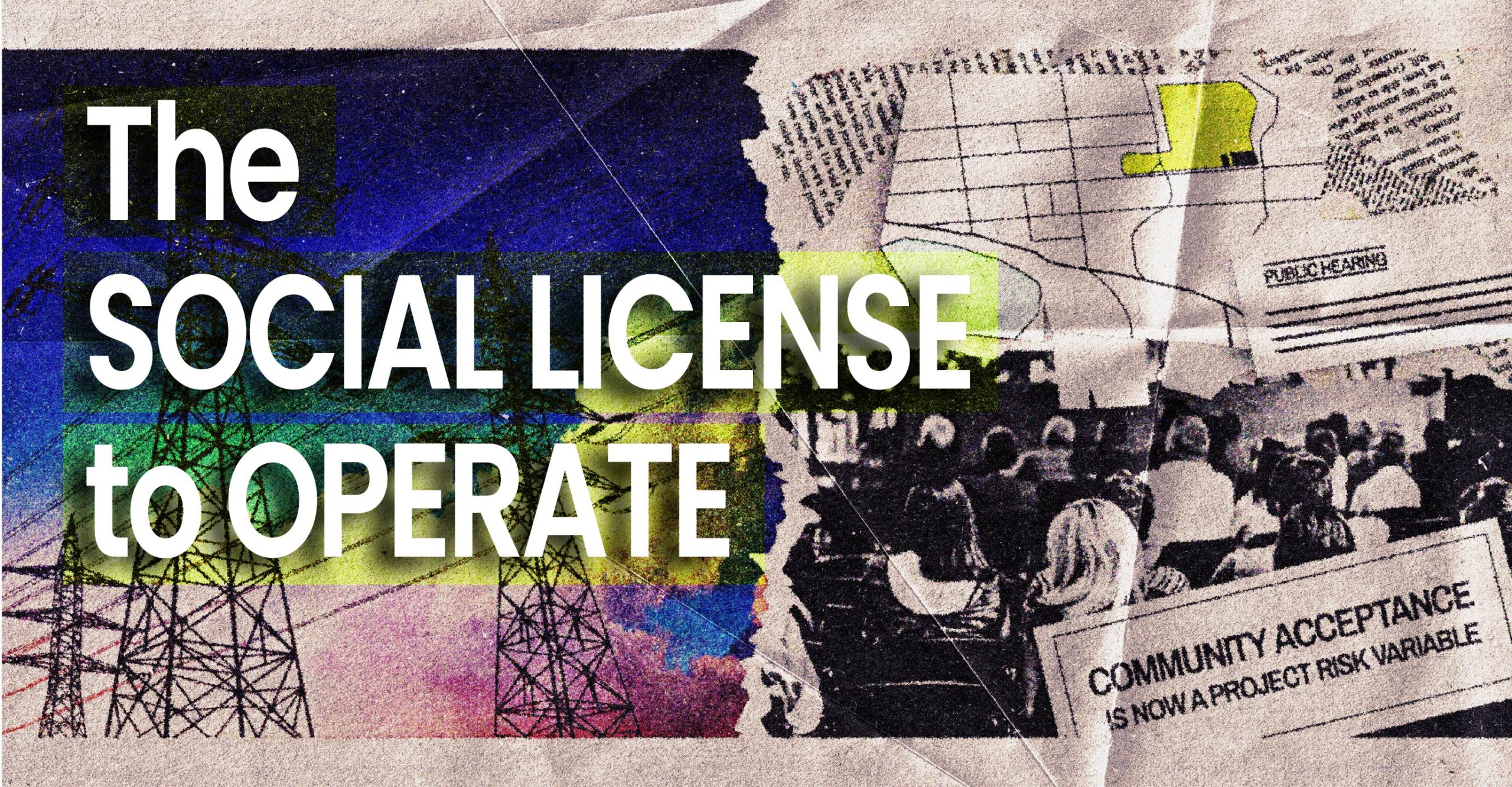
That’s why earning a Social License to Operate is essential to project success. Simply put, a social license to operate is the informal, local acceptance of a project—a measure of trust, legitimacy, and consent earned over time through responsible behavior, transparent communication, and sustained community engagement.
Too often, developers support local initiatives or establish partnerships, but those efforts aren’t broadly communicated or recognized by the public. Creating visible local recognition makes a difference. When investments tied to energy projects are publicly celebrated through local media, community events, or project communications, they reinforce shared benefits and demonstrate a long-term commitment. KAOH embraces four principles to help projects earn community support:
While today’s political and energy landscapes remain uncertain, organizations can better control outcomes through relationship building and in-person dialogue. Investing early, communicating consistently, and demonstrating authentic commitment reduces risk, accelerates approvals, and builds reputational capital that extends well beyond a single project. By prioritizing genuine engagement, companies can create durable benefits for host communities, corporate reputations, and the industry as a whole.